🎁 New: Build Customer Loyalty & Drive Repeat Purchases with WooCommerce. Learn more



How to Increase Customer Lifetime Value With WooCommerce
A store that earns $50 from a customer once is in a very different position from one that earns $50 from the same customer six times. Customer lifetime value (CLV) is the measure that captures that difference. If you want to increase customer lifetime value with WooCommerce, the work comes down to three levers: how often customers buy, how much they spend each time, and how long they stay.

This article is about strategy. It covers what shapes CLV, which levers are worth pulling first, and where loyalty rewards, store credit, and customer wallets can support the process.
What Customer Lifetime Value Really Tells You
CLV estimates the total value a customer brings over the entire relationship with your store. A simple way to think about it:
average order value × purchase frequency × length of the relationship
Here is an example. A customer spends $40 per order, buys three times a year, and stays for two years. That customer is worth $240 in revenue. If you can move any one of those three numbers, the total moves with it.
Two cautions. First, revenue is not profit, so if you have the data, look at gross margin per customer. Second, CLV is an average across groups of customers, not a promise about any individual. Use it to compare segments and track direction, not to forecast to the penny.

The Three Levers That Move CLV
Purchase frequency
How often does a typical customer come back? For consumable products, you can influence this with replenishment reminders. For other categories, seasonal launches, restock alerts, and rewards can create reasons to return sooner.
Average order value
Customers who spend more per order raise CLV without needing more visits. Free shipping thresholds, sensible bundles, and relevant add-ons on the cart page are the usual starting points. The key word is relevant: pushing unrelated extras tends to annoy rather than convert.
Retention and relationship length
This is the lever most stores underinvest in. Keeping an existing customer active for another year often adds more value than winning a new one. Retention depends on product quality and service first, then on whether the customer has a reason to choose you again over the next store.
Practical Ways to Improve CLV in WooCommerce
1. Segment customers by value
Not every customer deserves the same treatment. Look at your order history and identify your best repeat buyers, one-time buyers, and lapsed customers. WooCommerce’s customer and order reports are a reasonable place to start, and you can build from there.
Once you know your segments, you can decide where a reward is worth the cost. A small incentive to a one-time buyer aiming for a second order is a different decision from a thank-you to a loyal customer.

2. Make the second purchase the priority
A second order tends to be the biggest behavioural step in the relationship. Post-purchase emails, product care tips, and a reward that can be used on the next order all help.
3. Reward behaviour you want more of
Loyalty points let you reward completed purchases, and depending on your setup, other actions such as reviews or account creation. Rewarding the behaviours that build a relationship, rather than only discounting, gives customers more than one way to engage.

4. Reduce reasons to leave
Slow support, unclear returns, and awkward checkout all shorten relationships. When something goes wrong, how you resolve it matters. A quick, fair resolution can keep a customer who would otherwise leave.
5. Keep customers close to the store
Anything that gives a customer a stored benefit with your store, such as points, credit, or a saved account, adds a small reason to choose you next time. That is the idea behind wallet and loyalty features.

How Wallets, Store Credit, and Loyalty Points Support CLV
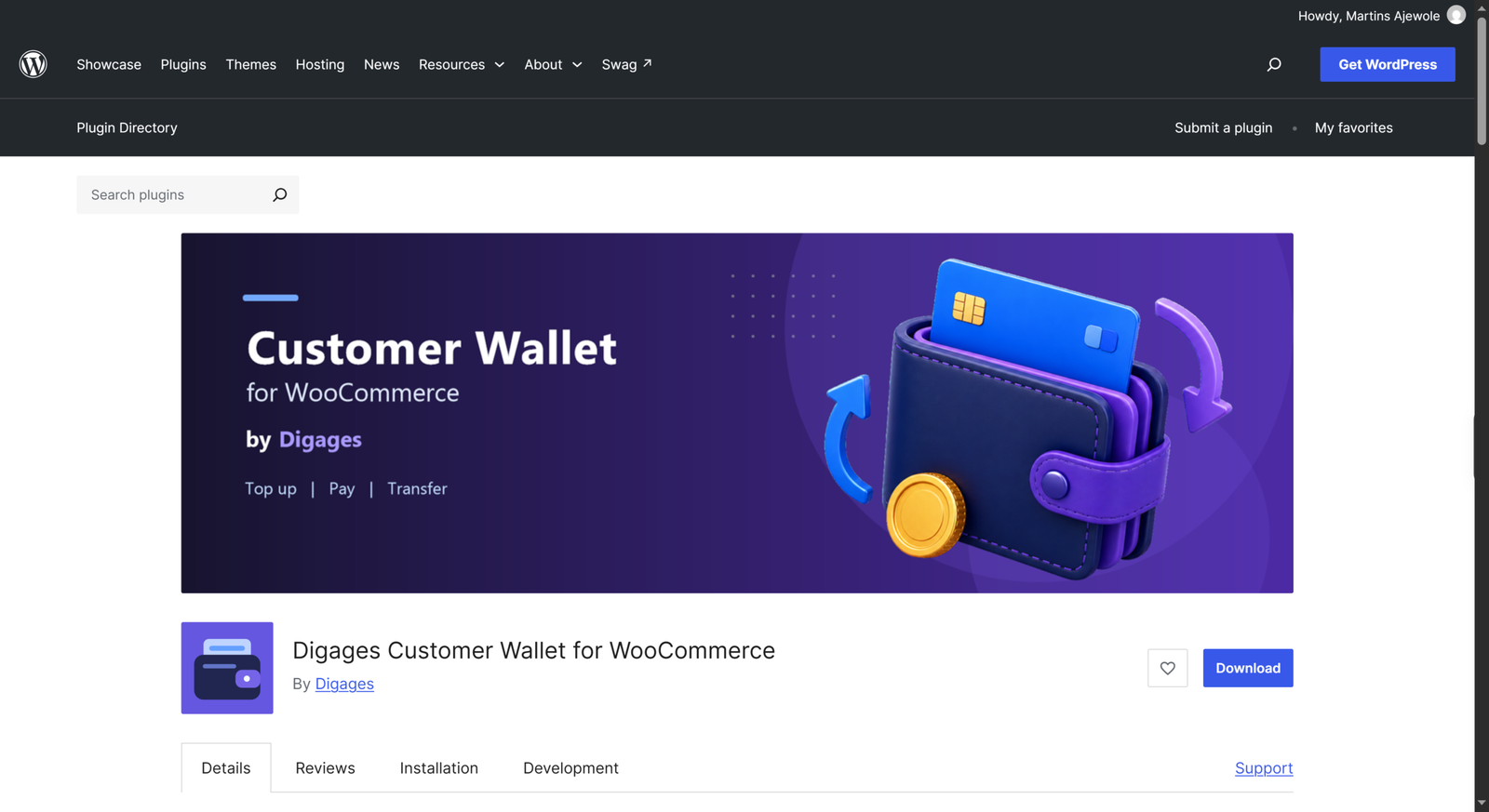
None of these tools raise CLV automatically. What they do is give you mechanisms to work on frequency, order value, and retention. Digages Customer Wallet for WooCommerce brings several of them together, so here is how each relevant feature connects to a CLV lever.
Loyalty points for frequency
Customers earn points on paid orders and can redeem them for discounts on future orders. Earning and redemption rates, limits, and tax handling are configurable, so you can decide how generous the program is. The points balance gives customers a reason to return sooner rather than later, particularly when the balance is visible at cart and checkout.
Wallet balances for retention
Customers can top up a wallet through the normal WooCommerce checkout and use that balance to pay for orders, in full or in part alongside another gateway. A customer with money already in their wallet has a built-in reason to come back and spend it, and checkout can be quicker because there is less to enter.
Store credit for recovery and goodwill
Store credit lets you credit customer wallets for promotions, bonuses, compensation, or refunds. This is useful when something has gone wrong. Offering credit rather than only a refund can keep the relationship alive, though some customers will prefer their money back, so offer both where you can.
Wallet dashboard for visibility
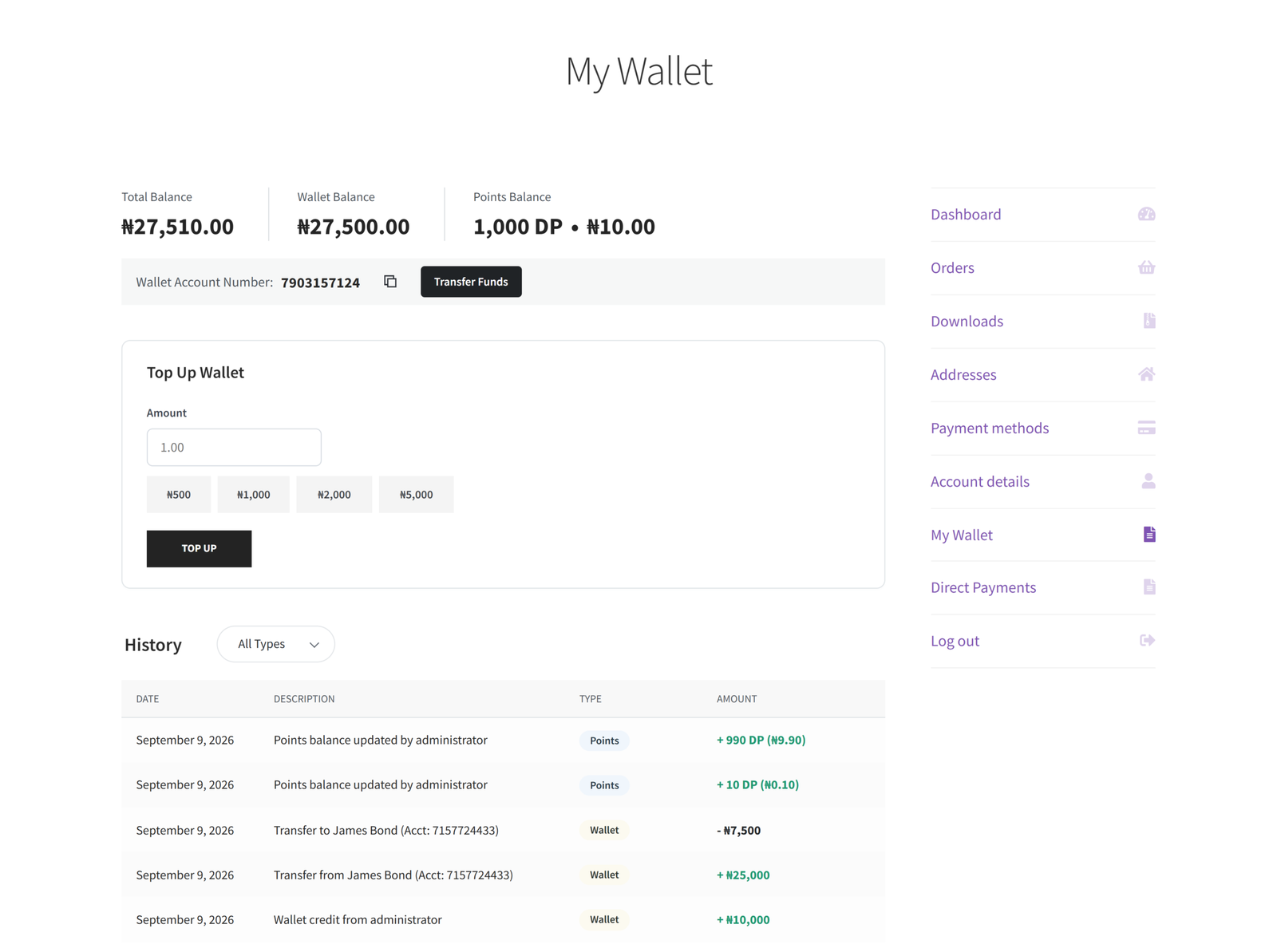
Customers can see their balance, points, and transaction history under My Account. Rewards that customers can see are more likely to be remembered than rewards buried in an email from three months ago.
Measure What Matters
If you change your rewards, track the results so you know what worked. Useful measures include:
- Repeat purchase rate: the share of customers who order more than once.
- Time between orders: whether customers are returning faster.
- Average order value: whether reward-related orders are larger or smaller than others.
- Reward redemption rate: whether customers are actually using what you give them.
- Cohort retention: how many customers from each month still buy after three, six, and twelve months.
Compare customers who used rewards with those who did not, but be careful with cause and effect. Engaged customers are more likely to use rewards in the first place.

Common Mistakes to Avoid
- Over-rewarding low-margin products. A reward that costs more than it earns will not raise CLV in any meaningful sense.
- Ignoring the basics. Rewards do not fix slow delivery or poor products.
- Making programs too complex. If customers cannot explain the reward in a sentence, simplify it.
- Treating CLV as a single number. Look at segments and cohorts.

Conclusion
Ready to add a Customer Wallet for WooCommerce to your E-Commerce store?
Get Digages Customer Wallet for WooCommerce on WordPress and give your customers a simpler, more flexible way to manage their payments.