🎁 New: Build Customer Loyalty & Drive Repeat Purchases with WooCommerce. Learn more



The Buy → Earn → Redeem → Buy Again Loyalty Loop
Most loyalty programs are described as a list of features: points, tiers, coupons, emails. A more useful way to think about them is as a loop. Something happens, the customer gets something back, and that creates a reason for the next thing to happen. The buy, earn, redeem, buy again loyalty loop is a simple model for designing that cycle in a WooCommerce store.

This article breaks the loop into four stages, shows where it commonly breaks, and walks through a realistic example.
What the Loyalty Loop Is
The loop has four stages:
Buy → Earn → Redeem → Buy Again
A customer buys. The purchase earns them something. They come back and use it. That redemption becomes the reason for another order, and the cycle starts again.
The value of this model is that it makes you look at the connections between stages, not only the stages themselves. A store might have a generous earning rule but a confusing redemption process, and the loop stalls. A store might have an attractive reward but no clear moment when customers realise they have it.
To be clear, the loop is a design framework, not a guarantee. Some customers will complete it, some will earn and never redeem, and some will never return. The goal is to make each stage clear and easy so that more customers can complete it.

Stage 1: Buy
Everything starts with a first purchase. The loop cannot begin until a customer has bought something and trusts your store enough to consider a second order.
What matters here:
- A smooth first order. Clear shipping information, a simple checkout, and accurate product pages.
- An early signal that rewards exist. Customers should know before they pay that this purchase will earn something.
- A registered account. Rewards need somewhere to live, so encourage account creation without forcing it.
If customers only discover your rewards after the order is complete, you have missed the moment when the promise is most persuasive.

Stage 2: Earn
The purchase earns the customer something. This might be loyalty points, a wallet credit, or another benefit.
Good earning design has three qualities:
- Visible. Show the reward on the product page, cart, checkout, and confirmation email.
- Understandable. A customer should be able to explain the rule in one sentence.
- Meaningful. The reward should feel worth having, without being so generous that it damages your margins.
Earning does not have to be limited to purchases. Rewards for signups or reviews can extend the loop to actions that build the relationship.

Stage 3: Redeem
Redemption is where many loops break. Customers earn a reward but never use it, because it is hard to find, hard to apply, or easy to forget.
Make redemption easy:
- Remind customers. A short email that mentions their balance can bring them back to the store.
- Show it at checkout. Customers should not have to remember codes or copy anything.
- Keep the rules light. Complicated minimums and exclusions make people give up.
- Consider timing. If rewards can expire, communicate it clearly so that expiry feels fair, not like a trap.
The customer’s experience at this stage shapes how they feel about the whole program. A frustrating redemption can undo the goodwill built in the earning stage.

Stage 4: Buy Again
The redemption creates a new purchase opportunity. Customers who come back to use a reward are already in your store, with a reason to browse, and often with something to spend.
Here you can make the most of the visit:
- Recommend related products at the cart or in follow-up emails.
- Let customers see that this order will also earn new rewards.
- Thank them for returning, in a way that feels human rather than automated.
The last point matters because it feeds the loop. The second order earns something too, which sets up the third.

Where the Loop Commonly Breaks
- Earn without awareness. Customers do not know they earned anything.
- Redeem without ease. The reward is hard to apply at checkout.
- Reward without relevance. The reward is too small to matter, or tied to products the customer does not want.
- Redeem without follow-up. The store does nothing to capture the value of the returning customer.
- Complexity everywhere. The program is so elaborate that customers never engage.
If you suspect your loop is stalling, check the handoffs between stages. Ask: how many customers earned points, how many redeemed them, and how many of those made another purchase?

How Customer Wallet for WooCommerce Supports Each Stage
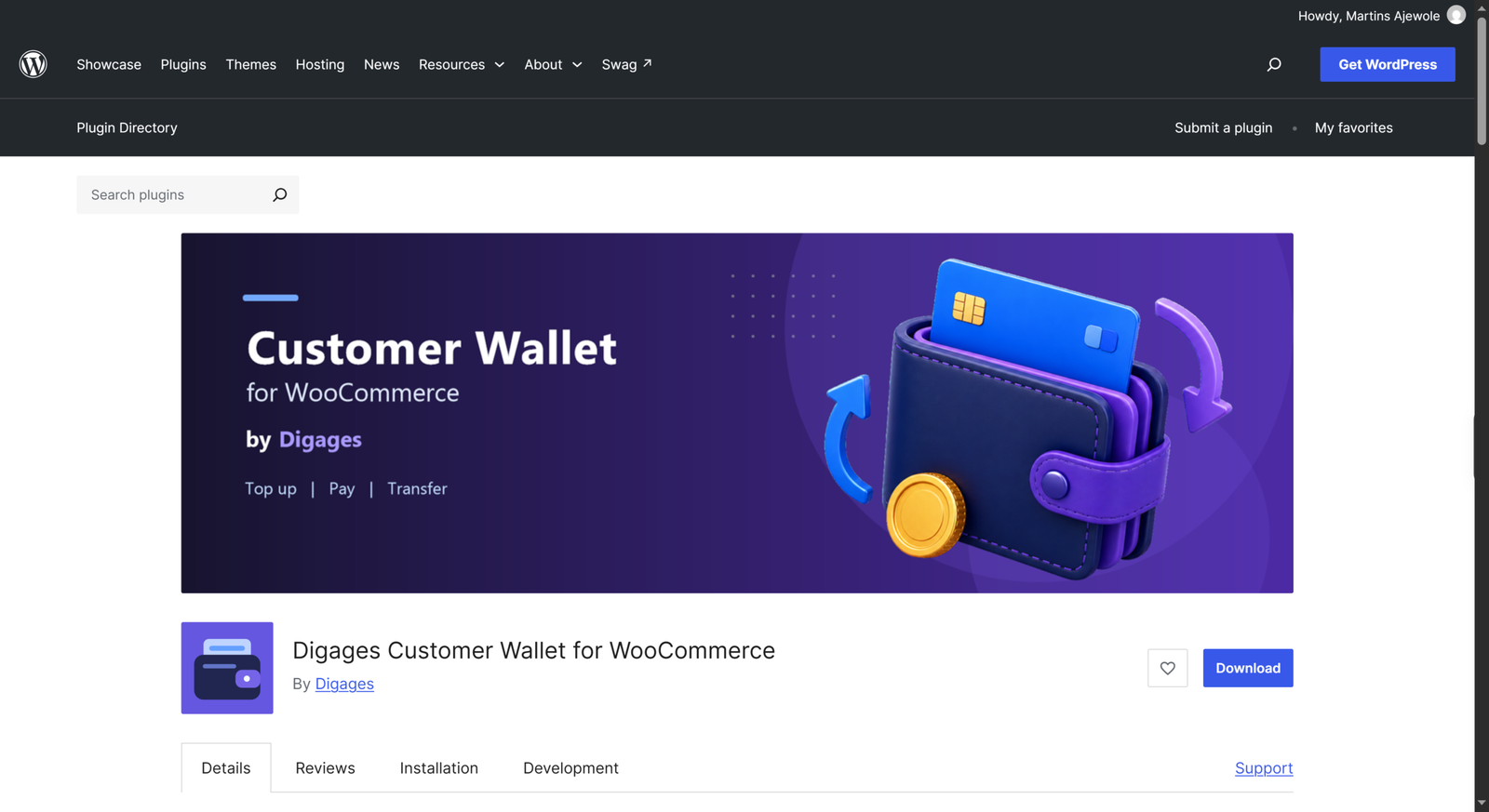
Digages Customer Wallet for WooCommerce is built around this kind of cycle, and its features map neatly to the four stages.
Buy: Wallet payments let customers pay for an order using their wallet balance, in full or in part alongside another payment method. Wallet funds can also be topped up through the standard checkout, which can make future orders quicker.
Earn: Customers earn loyalty points from paid orders, sign-ups, and reviews. You can configure earning rates, limits, taxes, labels, and storefront messages so customers can see what they will earn. Store credit lets you add wallet funds for promotions, bonuses, or goodwill.
Redeem: Points can be redeemed for discounts at checkout, and wallet balances can be applied to orders. Points redemption uses the maximum eligible points for the order, so it helps to explain that clearly in your messaging. Pro features such as points expiry can encourage redemption, though they should be communicated carefully.
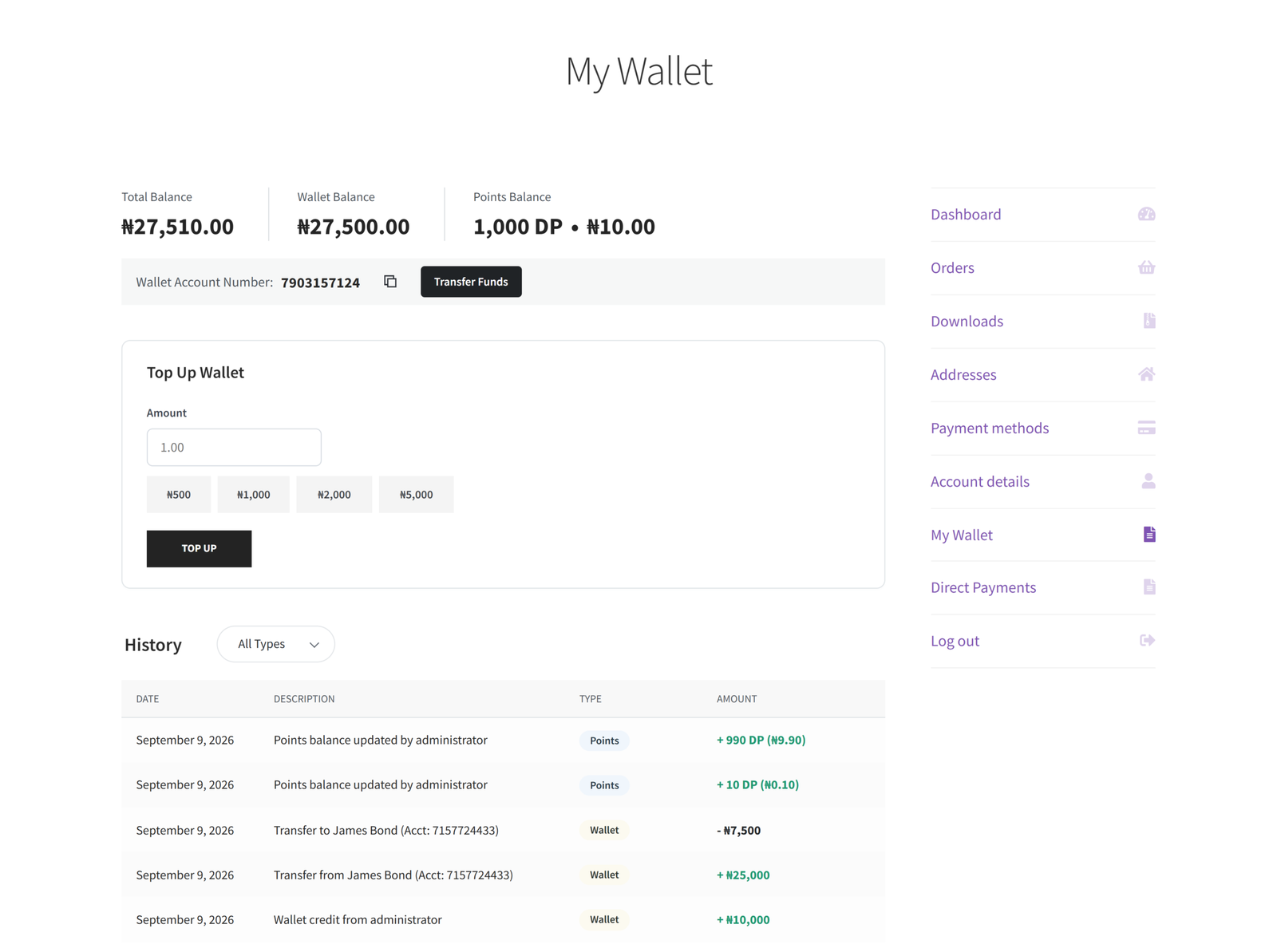
Buy again: The customer dashboard under My Account shows wallet balance, points, and transaction history. That keeps the reward visible between orders and gives customers a natural place to check what they have before returning.
How to Measure the Loop
Track each handoff separately:
- Earn rate: the share of customers who have points or credit balance.
- Redemption rate: the share of customers who use what they earned.
- Time to redeem: how long customers take to come back.
- Second and third order rates: whether redeemers keep buying.
- Order value: whether redemption orders are larger or smaller than average.
Be careful with interpretation. Customers who redeem rewards may already be your most engaged, so a higher spend among redeemers does not prove the program caused it. Use trends over time and compare like with like.
Conclusion
The loyalty loop is a useful way to design retention because it forces you to look at how each stage leads to the next. Make the first purchase smooth, make the reward visible, make redemption easy, and use the returning visit well. Whether you use loyalty points, wallet credit, or both, aim for a loop that customers can understand at a glance and that fits your margins.
Ready to add a Customer Wallet for WooCommerce to your E-Commerce store?
Get Digages Customer Wallet for WooCommerce on WordPress and give your customers a simpler, more flexible way to manage their payments.