🎁 New: Build Customer Loyalty & Drive Repeat Purchases with WooCommerce. Learn more



How Store Credit Can Reduce Refunds and Increase Repeat Sales
Refunds are one of the most frustrating parts of running a WooCommerce store. A customer returns an item, you process a refund, the money leaves your account, and more often than not, you never see that customer again. The transaction is closed, but the relationship is closed with it.
Store credit offers a different path for at least some of those situations. Instead of automatically sending cash back, some stores give customers credit toward a future purchase. Handled thoughtfully, this can keep more revenue circulating inside the store while still resolving the customer’s issue.

Why Cash Refunds Quietly Cost You More Than the Order
When a refund is processed, a few things happen at once: you lose the revenue from that order, you often absorb payment processing fees that don’t come back, and the customer has no remaining reason to return to your store. The relationship effectively resets to zero.
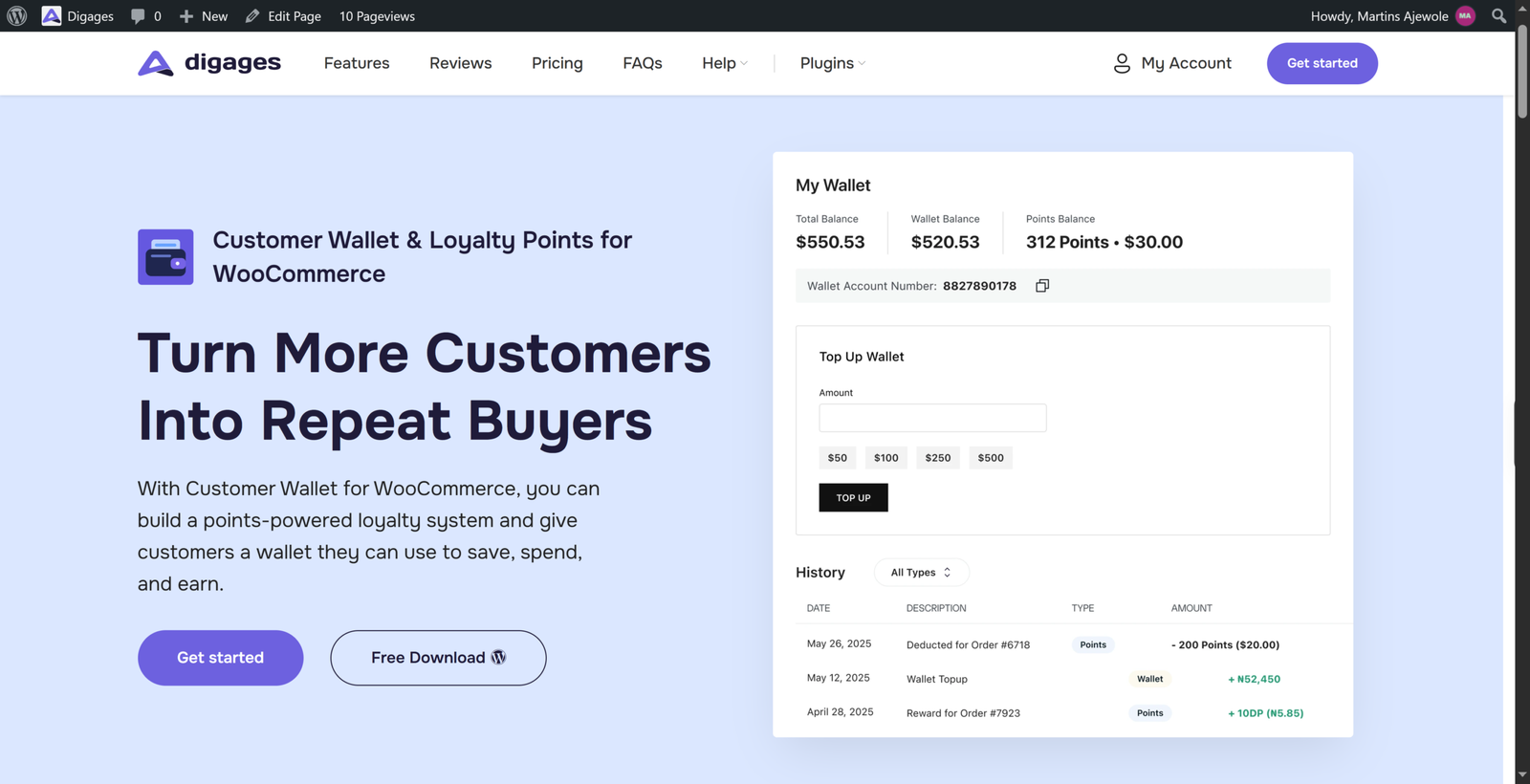
Digages Customer Wallet for WooCommerce changes the last part of that equation. If a customer receives credit instead of cash, they still have a reason to come back; the balance is sitting there, waiting to be used. It doesn’t undo the original problem that caused the refund request, but it does keep the door open.
When Store Credit Makes Sense
Store credit isn’t a replacement for refunds in every situation; legal requirements, customer expectations, and the nature of the issue all matter. It tends to work best for:
- Minor product issues where the customer is willing to try again
- Order cancellations before shipping
- Goodwill gestures and service recovery
- Promotional compensation for delays or mistakes
For serious product failures or when a customer clearly wants their money back, forcing store credit on them can do more harm than good. The goal is to offer credit as an option, not a substitute for a fair resolution.

How a Customer Wallet Makes Store Credit Practical
The idea of store credit is simple, but managing it manually, tracking who has how much, in a spreadsheet or as scattered discount codes, gets messy fast. This is where a dedicated wallet system helps.
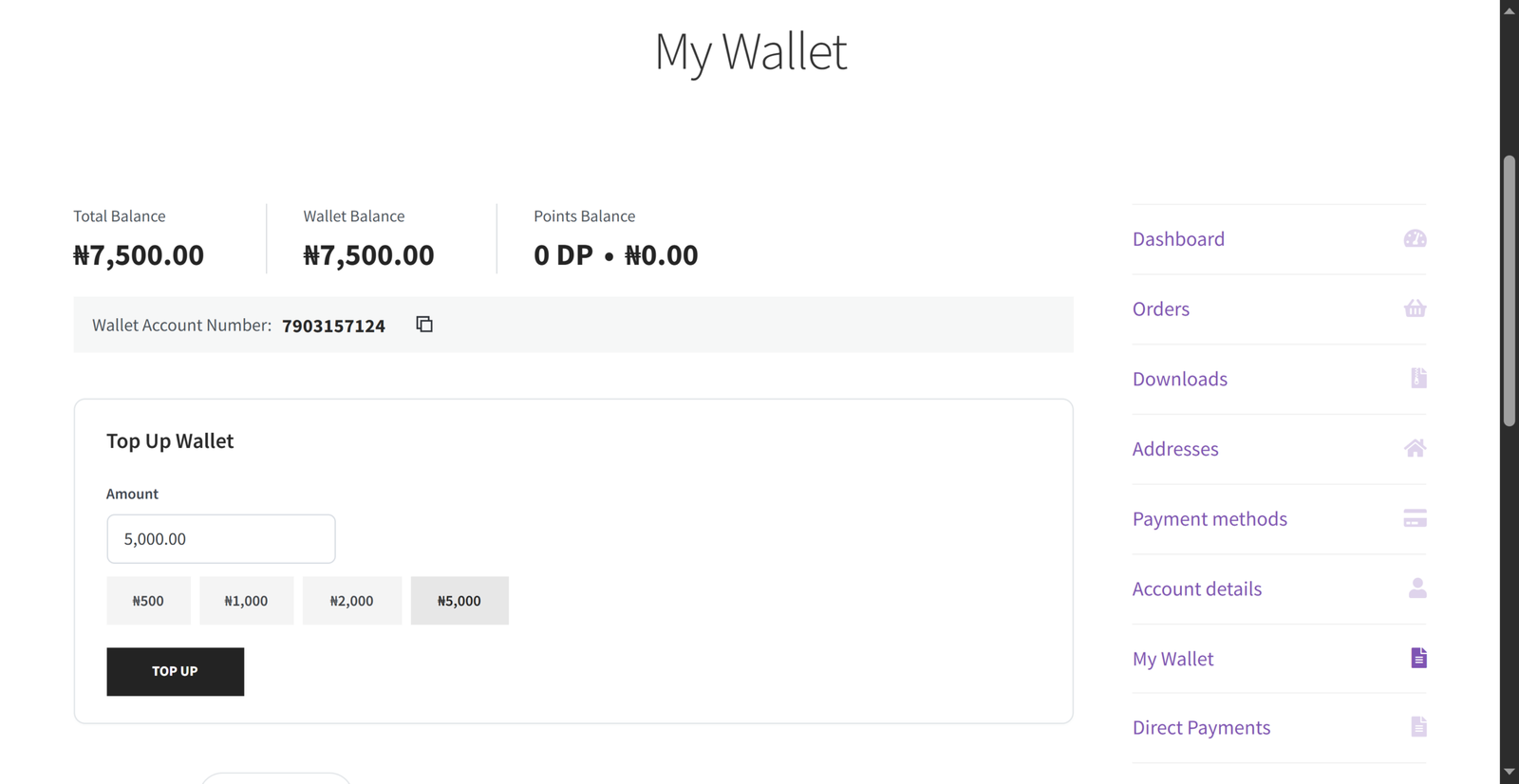
Digages Customer Wallet for WooCommerce gives every customer a personal wallet inside WooCommerce My Account, where they can see their current balance and full transaction history. From the WordPress admin side, store owners get a dedicated dashboard to review customer balances and browse wallet transactions, so issuing and tracking credit doesn’t require any manual bookkeeping.
When a customer needs to use their credit, they can pay for an entire order from their wallet if the balance covers it, or apply partial payments and cover the rest with another WooCommerce payment method. That flexibility matters; a customer with a small credit balance is far more likely to use it toward a bigger order if they aren’t forced to make up the difference some other way.
Every wallet also comes with a unique account number, and both customers and administrators receive email notifications when credit is added, so nothing gets lost in the process.
Conclusion
Store credit won’t eliminate refunds, and it won’t guarantee that every customer who receives it will return; some won’t, regardless of how the refund is handled. What it does is turn a moment that would otherwise end the relationship into one where there’s still a reason to come back.
For WooCommerce stores looking to handle refunds and compensation more strategically, Digages Customer Wallet for WooCommerce provides the infrastructure, wallets, balances, transaction history, and admin controls to make store credit something you can actually manage at scale rather than track by hand. It’s free to install from the WordPress.org plugin directory, with Pro adding features like bulk credit issuance for larger compensation campaigns.