🎁 New: Build Customer Loyalty & Drive Repeat Purchases with WooCommerce. Learn more



How to Reward Customers Without Constantly Offering Discounts
Discounts are the default reward in ecommerce because they are easy to create and easy to understand. The trouble is that they are also easy to overuse. When every message includes a percentage off, margins shrink, customers learn to wait for the next code, and your best customers end up paying less for no clear reason.
The good news is that learning how to reward customers without discounts does not mean giving them less. It means choosing rewards that fit the behaviour you want and cost you less per unit of goodwill. This article covers a range of options for WooCommerce stores and shows where wallet credit and loyalty points fit in.

Why Rewards Do Not Have to Be Price Cuts
A reward has two jobs: make the customer feel appreciated, and encourage the next step. A percentage discount does both in a blunt way. Other rewards can do the same with more precision.
Consider what you actually want. Maybe you want a second order, a review, an account signup, or a bigger basket. Each of these can be encouraged with a reward designed for that action, rather than the same coupon sent to everyone.
A fair caveat: every reward has a cost. The aim is not to make rewards free, but to give customers something they value while keeping control of when and how the cost occurs.

Options Worth Considering
Bonus wallet credit and store credit
Store credit gives customers a balance to spend on a future order. A beauty store might add a small bonus credit after a customer’s first purchase, to be used on their next order. Because the balance sits in the customer’s account, it feels like something they have, not something you offered.
The store also only pays when the customer returns to spend it, which ties the cost to a purchase. As a practical point, be clear about any rules, such as eligible products or how long the credit is valid, so customers are not surprised at checkout.
Loyalty points
Points reward customers for completed orders and let them build toward a benefit. Customers earn gradually and choose when to redeem. This can reward your regular buyers more than casual visitors, which is often the intent.
Signup rewards
Offering points for creating an account gives new visitors a small reason to register. That helps in two ways: you get a first-party contact, and registered customers have a smoother path through future checkouts.

Review rewards
Reviews are valuable social proof, but customers rarely leave them without a nudge. Rewarding a review with points encourages participation. Keep the reward for honest reviews, not only positive ones, and check the rules of any review platform or marketplace you use, since some restrict incentivised reviews.
Referral rewards
Rewarding customers who introduce friends can bring in new buyers at a controlled cost. This one usually needs separate tooling or a manual process, so plan it as a distinct workflow rather than assuming a wallet plugin covers it.
Free shipping incentives
Free shipping is highly valued by online shoppers. A free shipping threshold can raise basket size, and a free shipping reward for loyal customers can feel generous without touching product prices. Calculate the shipping cost you absorb before committing.

Exclusive benefits and early access
Early access to new collections, members-only products, or first notice of restocks cost little but signal that a customer matters. These work well for stores with limited drops or seasonal ranges.
Personalised rewards
A reward that reflects what the customer actually buys usually lands better than a generic one. A store might offer a relevant sample with a customer’s next order, or a credit tied to a category they buy often. Order history is enough to start with.
Milestone rewards
Celebrate a customer’s third order, first anniversary, or a certain number of points earned. Milestones recognise the relationship rather than a single transaction, which is often what loyal customers want to feel.

How to Choose the Right Mix
You do not need all of these. Pick based on your goal:
- Want more second orders? Try bonus store credit or points after the first purchase.
- Want more reviews? Reward them with points.
- Want larger baskets? Consider a free shipping threshold.
- Want to honour loyal customers? Use milestone rewards and early access.
- Want fewer sales events? Replace some of them with ongoing points and credit.
Start with one or two, watch how customers respond, and adjust before adding more.

Where Customer Wallet for WooCommerce Fits
Digages Customer Wallet for WooCommerce covers several of the options above, so it is worth mapping the features to the ideas.
- Store credit: You can credit a customer’s wallet for promotions, bonuses, compensation, or refunds, and customers can spend the balance at checkout. This is the practical route for the bonus credit idea.
- Loyalty points: Customers earn points on paid orders and redeem them for discounts on later orders. You control earning and redemption rates, limits, taxes, labels, and messaging.
- Signup rewards: Points can be awarded when a customer creates an account.
- Review rewards: Points can be awarded when a customer leaves a product review.
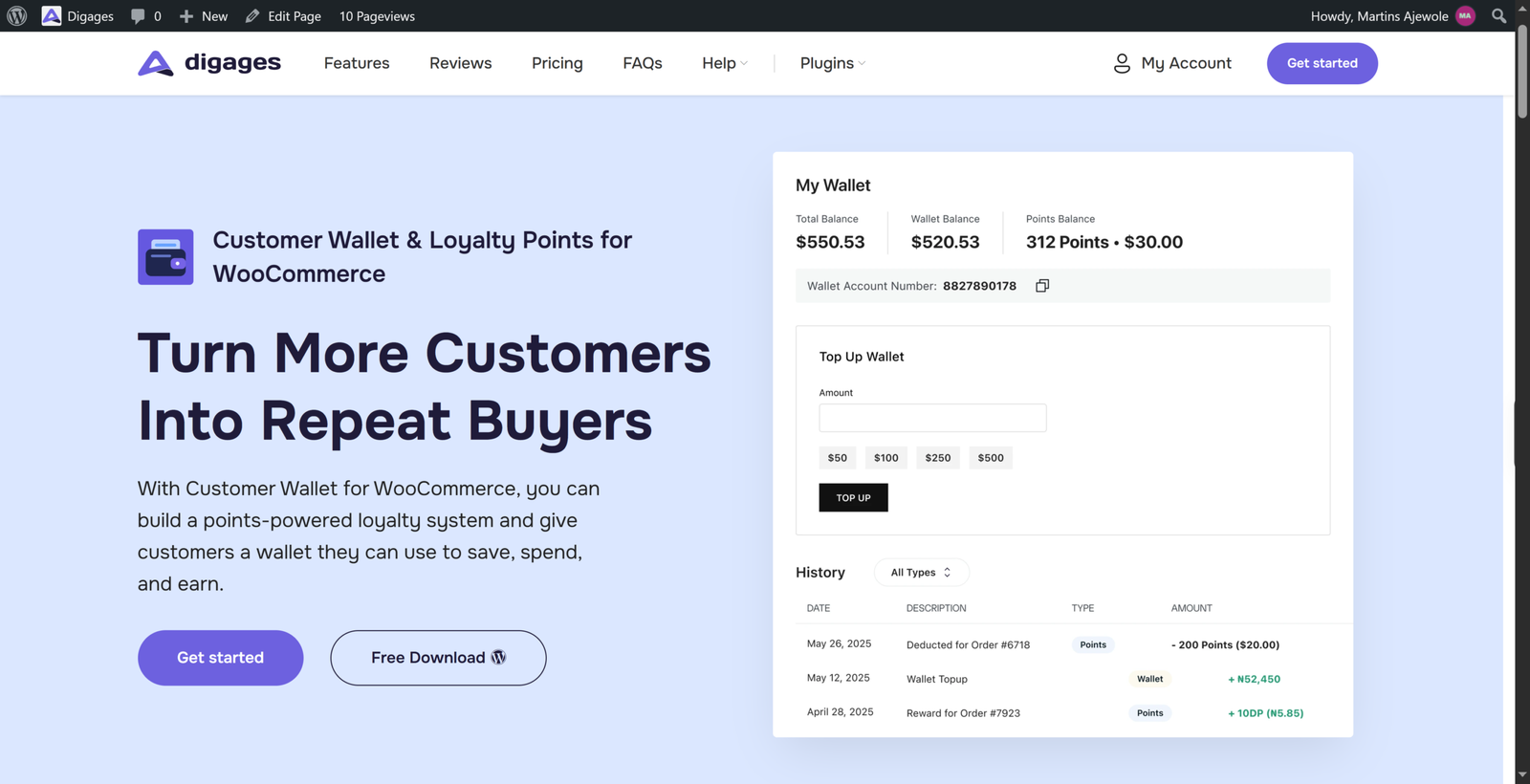
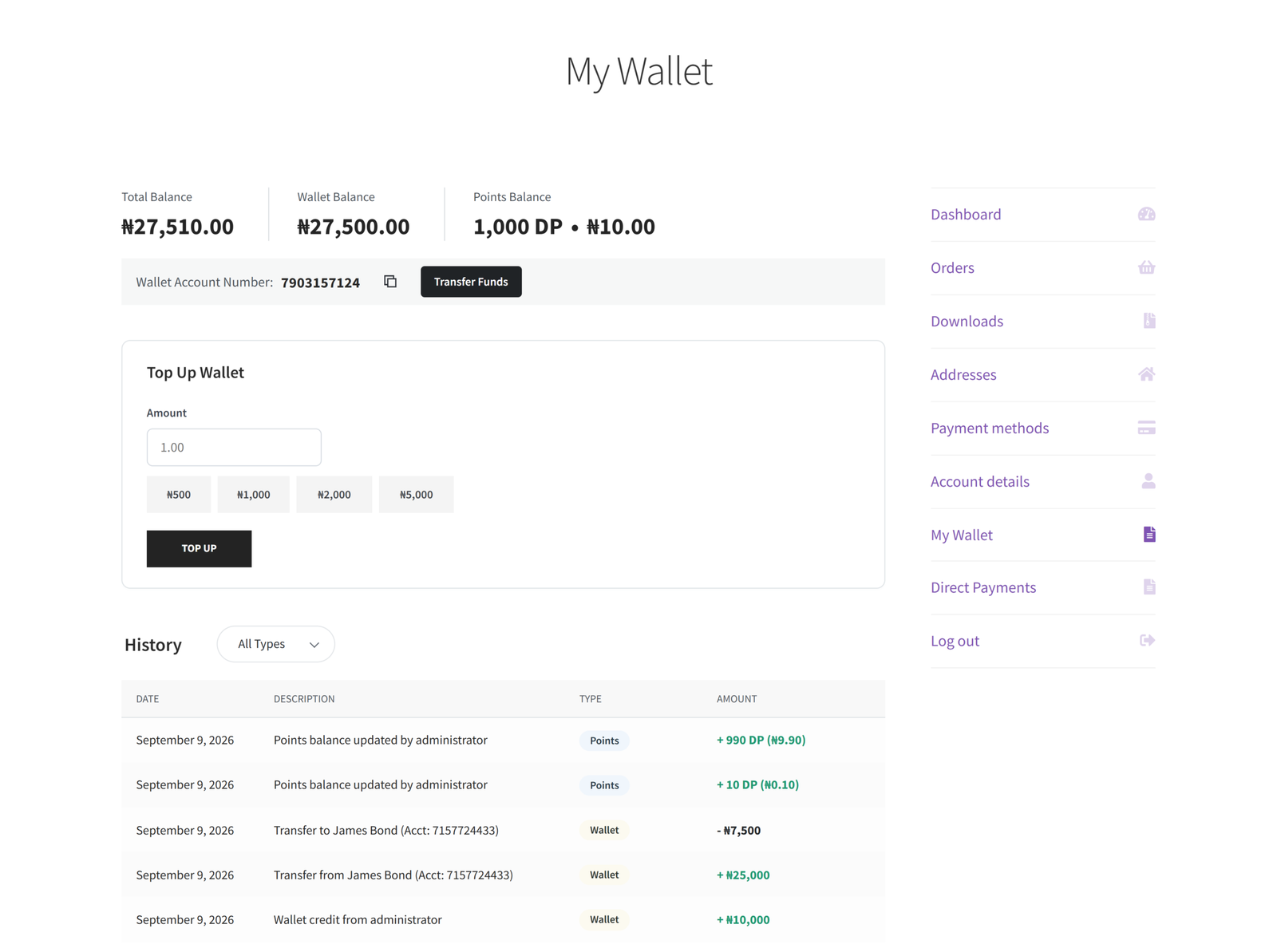
- Wallet dashboard: Customers see their balance, points, and transaction history under My Account, so the reward stays visible after it is given.
Signup and review rewards are Pro features, so check the plugin listing for the current split between free and paid versions. Referral rewards, free shipping incentives, and early access are separate strategies that you would run using other tools or settings, not features of this plugin.
One honest point: redeeming points still reduces the order total at checkout. The difference from a blanket coupon is that the discount is earned, controlled by your rates and limits, and tied to a customer’s past purchases. If you want to avoid price reductions entirely, store credit and non-monetary rewards like early access are the closer fit.
Mistakes to Avoid
- Making rewards too complicated. If a customer needs a diagram to understand it, they will ignore it.
- Forgetting the cost. Model the reward against your margins before launch.
- Rewarding the wrong action. Reward what builds the relationship, not what is easy to game.
- Going silent. A reward nobody knows about does nothing, so mention balances in emails and at checkout.
- Never reviewing. Revisit your rules after a few months and adjust.

Conclusion
Discounts are one tool among many. Store credit, points, signup and review rewards, free shipping, early access, and milestone gestures can all make customers feel valued while giving you more control over cost and timing. Pick the reward that matches the behaviour you want, keep the rules simple, and measure the result before you add more.
Ready to add a Customer Wallet for WooCommerce to your E-Commerce store?
Get Digages Customer Wallet for WooCommerce on WordPress and give your customers a simpler, more flexible way to manage their payments.