🎁 New: Build Customer Loyalty & Drive Repeat Purchases with WooCommerce. Learn more



The Psychology of Reward Points: Why Customers Spend More to Earn Rewards
Reward points seem like a small mechanic, a few points here, a discount there, but they tap into some well-established patterns in how people make decisions. Understanding why points programs influence behavior can help WooCommerce store owners set one up in a way that feels genuinely rewarding rather than gimmicky.

The Goal-Gradient Effect
One of the most consistent findings in behavioral research is that people work harder to reach a goal the closer they get to it. This is often called the goal-gradient effect: motivation increases as the distance to a reward shrinks.
In a points program, this shows up clearly. A customer with 200 points toward a 1,000-point reward isn’t especially motivated. A customer with 900 points toward that same reward is far more likely to make another purchase specifically to close the gap. The reward hasn’t changed, but the customer’s proximity to it has, and that proximity does a lot of the persuading.
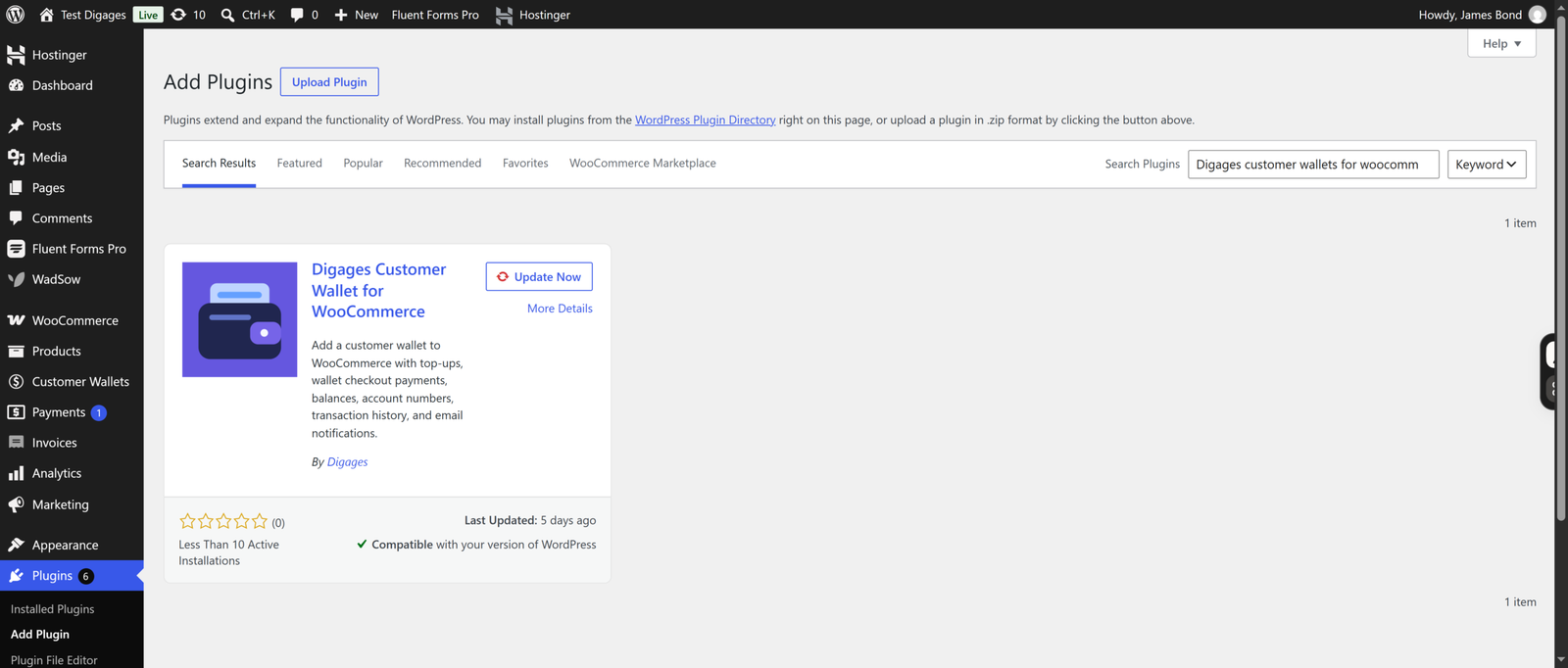
Digages Customer Wallet for WooCommerce includes a built-in Points & Rewards system. Store owners can configure how many points customers earn per purchase and how those points convert into checkout discounts.
Points Feel Like Progress
A flat discount feels transactional: you save money, and that’s the end of it. Points feel different because they represent accumulated progress. Each purchase adds to a running total that the customer can see, which taps into a related idea: the endowment effect, where people are more motivated to finish something once they feel they’ve already made headway on it.
This is part of why a visible points balance tends to be more motivating over time than a one-off percentage-off coupon. The coupon is used and forgotten. The points balance persists, and every purchase visibly moves it forward. And Digages Customer Wallet for WooCommerce is built for exactly this.
Redeemable Rewards Create a Reason to Return
Points only matter if a customer can actually use them and use them easily. If redemption is confusing, requires digging through a separate portal, or only kicks in occasionally, the psychological pull of “almost there” fades quickly.
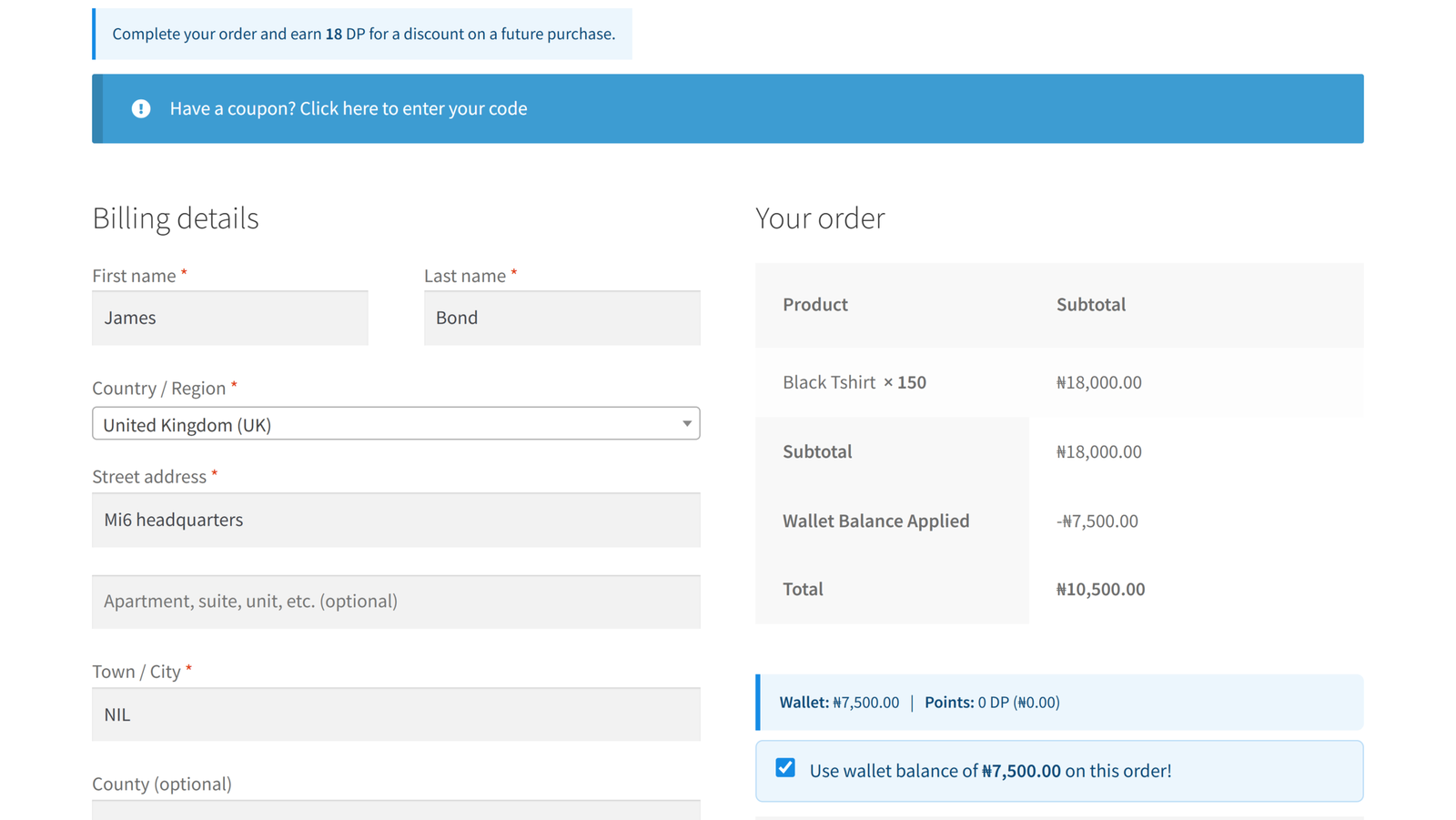
This is where the mechanics of a wallet and points system matter as much as the concept itself. Digages Customer Wallet for WooCommerce builds points directly into the WooCommerce checkout; customers earn points on completed orders and can redeem eligible points for a discount right at checkout, on both the classic checkout and the Checkout Block, with no separate account or external site required.

Ownership Changes How People Spend
There’s also a subtler effect at play: money or points a customer already “owns” feel different to spend than money they’re about to hand over. A customer applying an existing wallet balance or point discount toward an order tends to experience that purchase differently than paying full price from scratch; the perceived cost feels lower, even when the actual amount spent is similar.
Digages Customer Wallet for WooCommerce supports this directly by letting customers combine their wallet balance and points with another WooCommerce payment method through partial payments, so even a modest balance can be put toward a larger order rather than sitting unused because it doesn’t cover the whole amount.
Conclusion
None of this means a points program will guarantee higher spending or change every customer’s behavior; people’s purchasing decisions depend on far more than a rewards balance. But understanding why points work explains why a well-designed program can be more effective at encouraging repeat purchases than a one-time discount code, without relying on pressure tactics or misleading customers.
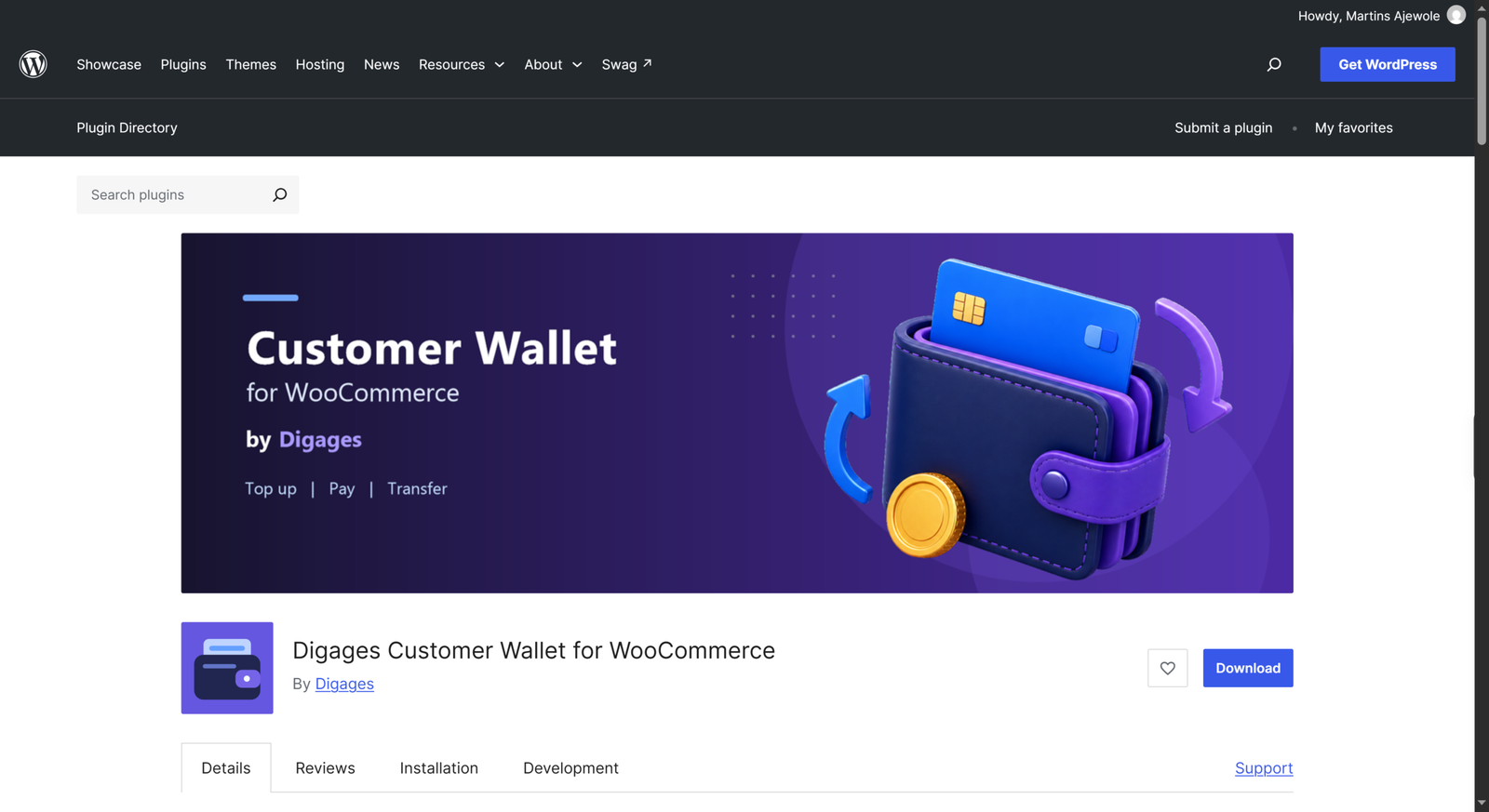
For WooCommerce store owners who want to build this into their store without custom development, Digages Customer Wallet for WooCommerce provides the points, wallet, and checkout redemption mechanics as a free, ready-to-use plugin from the WordPress.org plugin directory.